
Diaper rash and baby redness: gentle cleansing and a protective barrier
Moisture, friction and prolonged diaper contact are common daily triggers. Prompt changes, gentle cleansing, drying and a protective barrier are central to baby-skin comfort.
Signs of simple irritation
- 01Redness on diaper-contact areas.
- 02Discomfort during cleaning or diaper changes.
- 03Repeated moisture and friction through the day.
- 04Dryness or sensitivity after fragranced wipes or products.
What supports baby skin?
Gentleness and consistency matter more than using many products.
Prompt changing
Change wet or soiled diapers promptly to reduce moisture and contact time.
Cleaning without rubbing
Use lukewarm water or gentle fragrance-free cleansing, then allow skin to dry before cream.
Zinc oxide barrier
A barrier layer helps separate skin from moisture and friction at each change.
Diaper-change routine
Repeat the same simple steps at every change to reduce recurring irritation.
1. Gentle cleansing
Clean without rubbing. VIDACARE Baby Soap may be used during bathing and rinsed thoroughly.
2. Dry thoroughly
Pat dry and allow brief air exposure when possible.
3. Protective layer
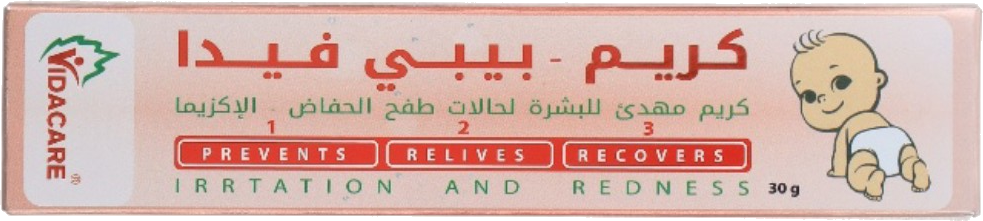
Apply a layer of VIDACARE Baby Rash Cream at each change or as needed according to directions.
Choose within a clear routine
Open each product page for ingredients, directions and precautions, then ask about the nearest point of sale.
VIDA Baby Rash Cream
A gentle protective barrier that reassures parents and keeps baby skin comfortable.
Explore product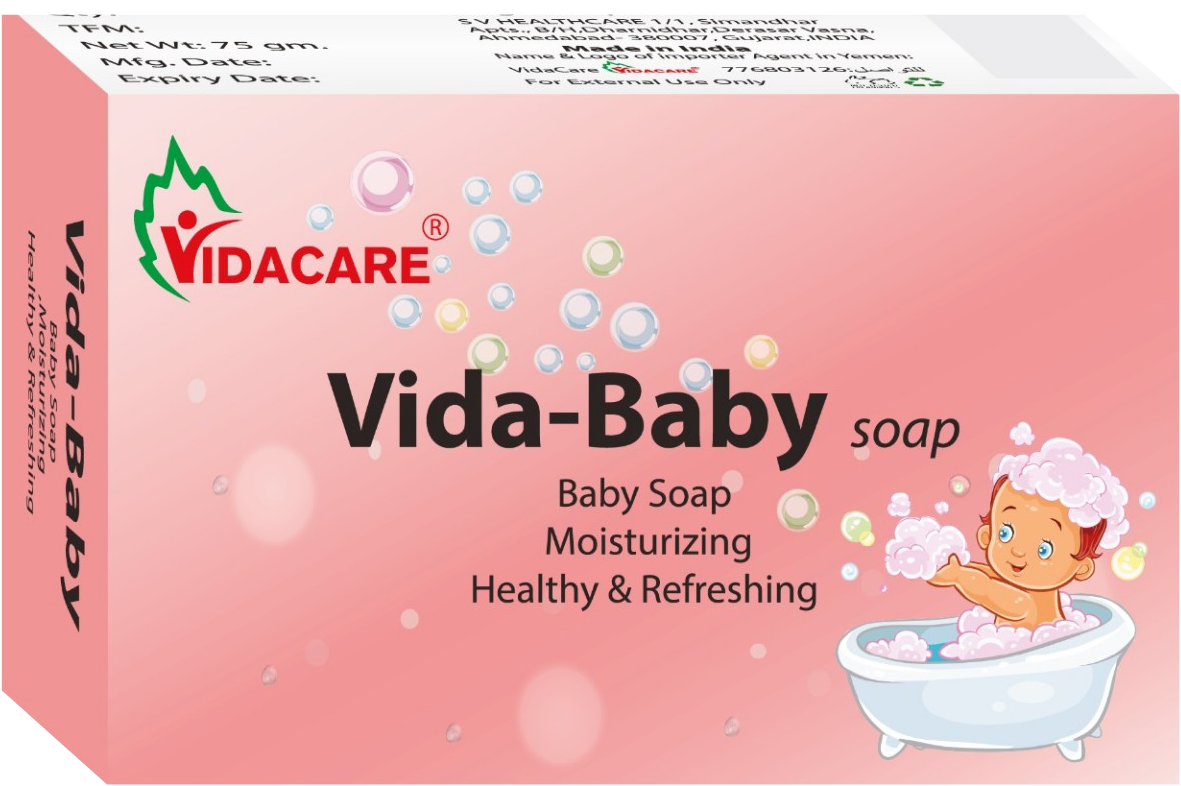
Do not delay assessment for unusual signs.
Call a doctor for fever, blisters, pus, severe pain, spread beyond the diaper area, or a rash that does not improve or worsens.
Concise, responsible answers
This information is educational and does not replace medical diagnosis or individual pharmacy guidance.
Must every trace of cream be removed at each change?+
Remove soiling gently without harsh rubbing, then add a fresh barrier layer to clean, dry skin.
Can the cream be used preventively?+
A protective layer can be used as needed or at each change according to directions, particularly with repeated moisture and friction.
When is the rash more than simple irritation?+
Fever, blisters, pus, spread, significant pain or lack of improvement needs medical assessment.
These sources explain the general concern and are not clinical studies of the final product.